For me, ROCK SCENE was where it all began.
ROCK SCENE first hit the streets in March 1973, capturing rock & roll at a moment when the culture was exploding. It wasn’t just another music magazine. It took you backstage, into the clubs, onto the streets and inside the lives of the artists who were creating a new generation of music.
From David Bowie, Lou Reed and the New York Dolls to KISS, Aerosmith, Blondie and the Ramones, ROCK SCENE documented the musicians, photographers, writers, clubs, fans and characters who made up the scene.
I had just entered my teens when the first issue came out. My older brother played in a cover band, so there were always records and music magazines lying around the house. One day, I spotted something new among them. On the cover was David Bowie as Ziggy Stardust, with that incredible ROCK SCENE logo above him. I opened it and discovered a world I wanted to be part of.
I wasn’t much of a reader, but I couldn’t stop looking at the photographs. Around that same time, I got my first camera and started dreaming about becoming a rock photographer. I snuck my camera into concerts, photographed the bands I loved and learned my craft one roll of film at a time. Eventually, the magazines I had grown up reading were publishing my photographs.
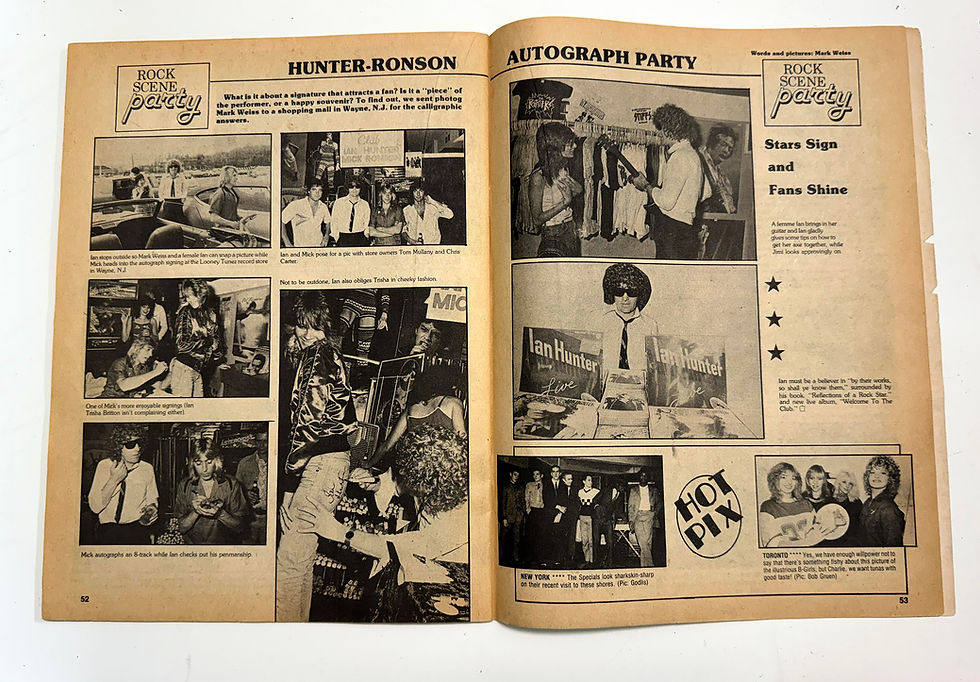
In November 1980, I photographed Ian Hunter and Mick Ronson for a ROCK SCENE Magazine pictorial during an in-store autograph signing at Looney Tunes Records in New Jersey. It was exactly the kind of up-close access that made ROCK SCENE special — bringing fans into the artists’ world beyond the stage.
More than 50 years after I first picked up that Bowie issue, I’ve spent my life photographing rock & roll. Now I want to bring it full circle and help take ROCK SCENE into a new era.
And in many ways, that journey back to ROCK SCENE already began years ago.
More than 15 years ago, I started sitting down with artists and asking them to tell me about their own rock scene — the music they grew up with, the bands that influenced them, the clubs they played, the people they met and the moments that shaped their careers. Over the years, that project has grown into more than 150 interviews, preserving these stories in the artists’ own words. Many of those interviews are available now through the ROCK SCENE Magazine YouTube channel with over 4 million views.
Those conversations are an important part of what ROCK SCENE RELOADED is all about — not only looking back at rock history, but hearing it directly from the people who lived it.
This isn’t about simply recreating an old magazine. It’s about celebrating where rock came from, where it is today and where it’s going next.
We’ll dig into the archives and revisit the legendary artists, photographers, writers, editors, clubs and stories that made the original ROCK SCENE so special. But we’ll also turn the camera toward today — the bands playing clubs and arenas, the photographers documenting them and the next generation of artists creating their own history.
Because that’s what ROCK SCENE did best: It captured history before anyone knew it was history.... And now we’re going to do it again!
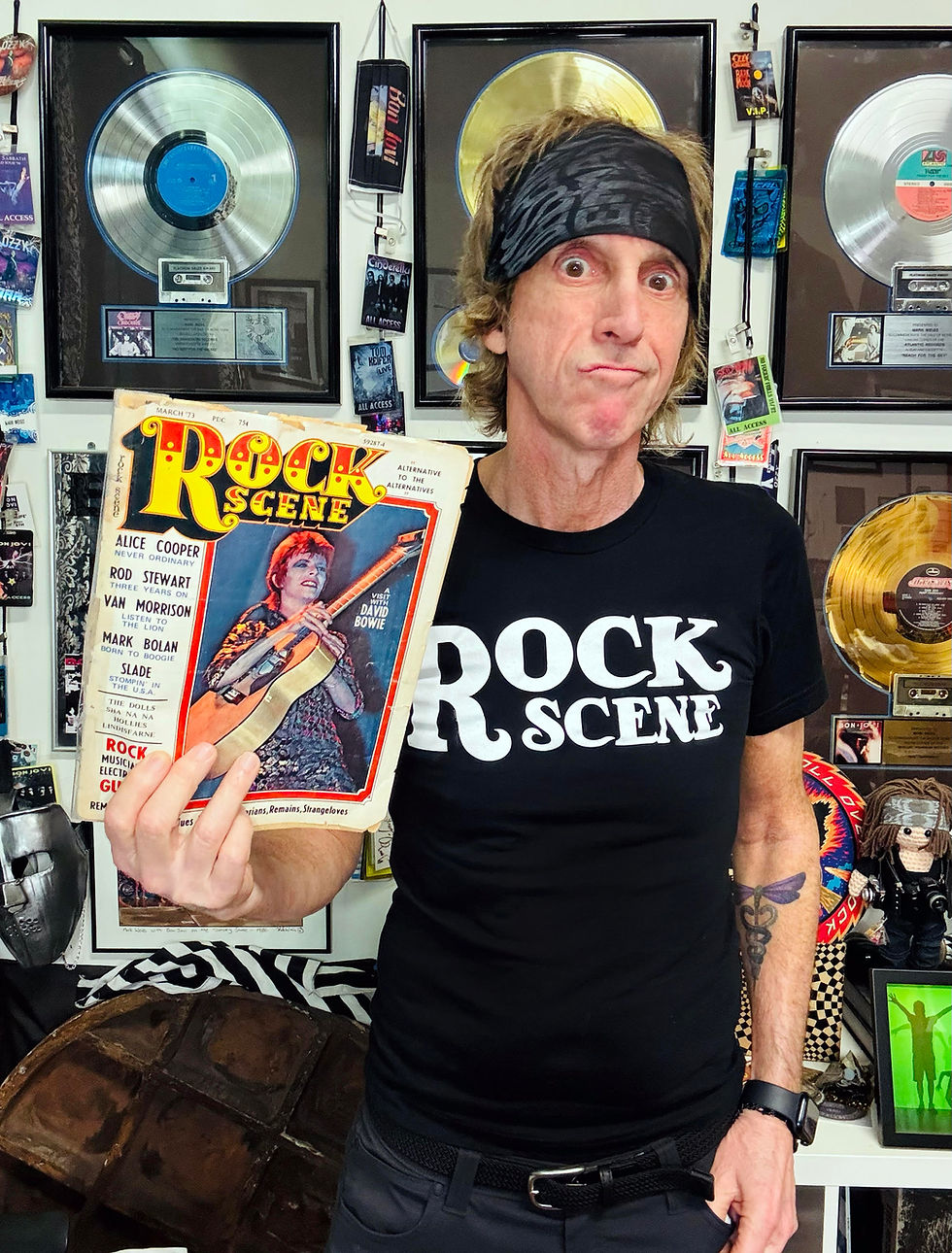
Rock Scene Reloaded Editor-in-Chief Mark Weiss holding the first issue of Rock Scene (March 1973)